Many people notice that tiredness can sometimes feel more noticeable with age.
Busy schedules, inconsistent sleep, dehydration, heavy meals, stress, or long periods of sitting may all affect how energised people feel throughout the day. Fortunately, simple realistic habits may help support steadier wellbeing and more balanced daily routines over time.
Often, small practical changes quietly become the most valuable.
Starting The Day Gently May Help
Rushed mornings sometimes affect energy levels for the rest of the day.
Many people feel better beginning the morning with calmer habits such as:
- Drinking water
- Opening windows for fresh air
- Light stretching
- A balanced breakfast
- Short walks
Gentle starts often help support steadier routines overall.
Balanced Meals May Feel More Supportive
Very sugary foods or highly processed meals sometimes leave people feeling sluggish shortly afterward.
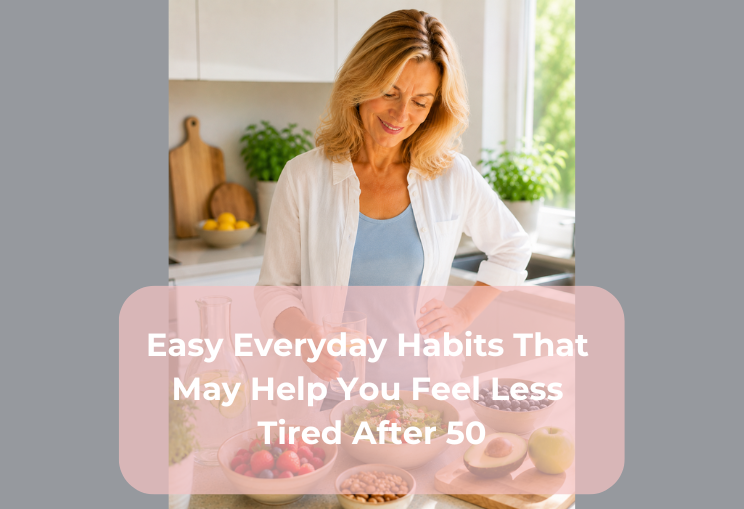
Many people prefer balanced meals built around:
- Protein
- Fruit
- Vegetables
- Wholegrains
- Healthy fats
Simple realistic meals often feel easier to maintain consistently than restrictive diets.
Hydration Still Matters
Even mild dehydration may sometimes contribute to feeling more tired than expected.
Simple hydration habits could include:
- Water during meals
- Herbal teas
- Carrying a reusable bottle
- Hydrating foods during warmer weather
Small consistent habits often support overall wellbeing naturally.
Gentle Movement Can Help Too
Movement does not always need to feel intense to become beneficial.
Many people over 50 enjoy practical activities such as:
- Walking
- Gardening
- Cycling
- Stretching
- Light mobility exercises
Even small amounts of movement may help the body feel more refreshed during the day.
Rest And Recovery Matter As Well
Energy is not only influenced by activity or nutrition.
Calmer evenings, better pacing, and reducing constant overstimulation may also help support steadier wellbeing over time.
Simple restful routines often become increasingly valuable with age.
Practical Habits Usually Last Longest
Extreme routines are often difficult to maintain consistently.
Many people feel more comfortable focusing on realistic habits they can repeat naturally during normal daily life.
Small balanced improvements often become surprisingly powerful over time.
Calm Consistency Often Works Best
Healthy aging rarely depends on dramatic overnight changes.
Often, it is the repeated small habits — movement, hydration, balanced meals, rest, and steadier routines — that quietly support wellbeing over many years ahead.
Gentle sustainable habits usually become the strongest long-term routines.
You can also explore additional wellness support and personalised health suggestions through this free health assessment here: