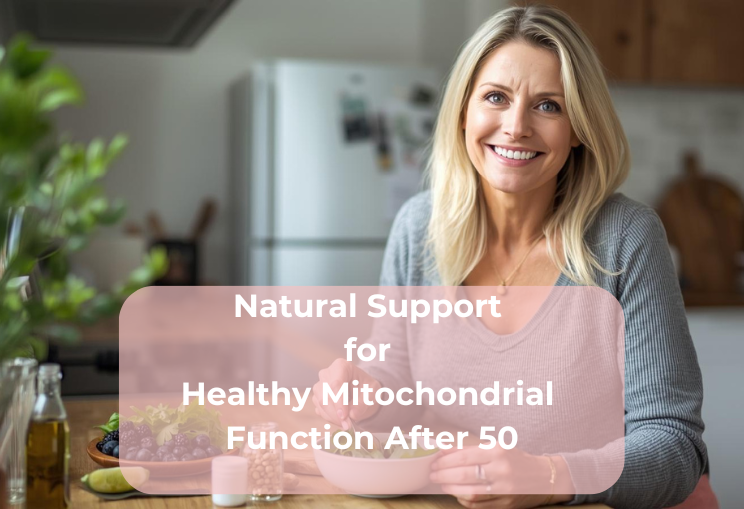
What Are Mitochondria — and Why Do They Matter After 50?
Mitochondria are often called the power plants of the body. They exist inside nearly every cell and are responsible for producing the energy your body uses every day.
As we move past 50, mitochondrial efficiency can naturally decline. When this happens, energy may feel lower, recovery slower, and fatigue more noticeable — even when sleep and nutrition seem adequate.
Supporting mitochondrial health is about working at the cellular level, not just masking tiredness.
Signs Mitochondrial Support May Be Helpful
Everyone is different, but common experiences can include:
- Low or inconsistent energy
- Feeling drained after light activity
- Slower recovery from exercise
- Brain fog or reduced mental clarity
Gentle nutritional support can help sustain cellular energy over time.
Key Nutrients That Support Mitochondrial Health
Several nutrients are known for their role in supporting mitochondrial function:
- B vitamins – help convert food into usable energy
- Magnesium – supports energy production and muscle function
- CoQ10 – plays a role in cellular energy transfer
- Antioxidants – help protect cells from oxidative stress
These nutrients work best as part of a balanced, consistent routine.
Food Choices That Support Cellular Energy
Mitochondria rely on quality fuel. Helpful foods include:
- Leafy greens
- Berries
- Healthy fats (olive oil, nuts, seeds)
- Adequate protein
Whole, minimally processed foods help support energy without spikes and crashes.
Gentle Lifestyle Habits That Help Mitochondria Thrive
Beyond nutrition, simple habits can make a difference:
- Consistent sleep routines
- Light daily movement
- Managing stress gently
- Avoiding extreme overexertion
Mitochondria respond well to steady rhythms, not extremes.
Supplements as Part of a Supportive Routine
Some people choose gentle supplementation to help maintain mitochondrial support, especially during periods of stress or low energy. Consistency matters more than intensity — small daily support adds up over time.
More Reliable And Sustainable
Supporting mitochondrial health after 50 is about creating the conditions for energy to be produced efficiently at the cellular level. With the right nutrients, calm habits, and steady routines, energy often feels more reliable and sustainable.
True vitality starts quietly — one cell at a time.