Not every day brings the same level of energy.
Some mornings we feel motivated and ready to move forward.
Other days feel slower and heavier.
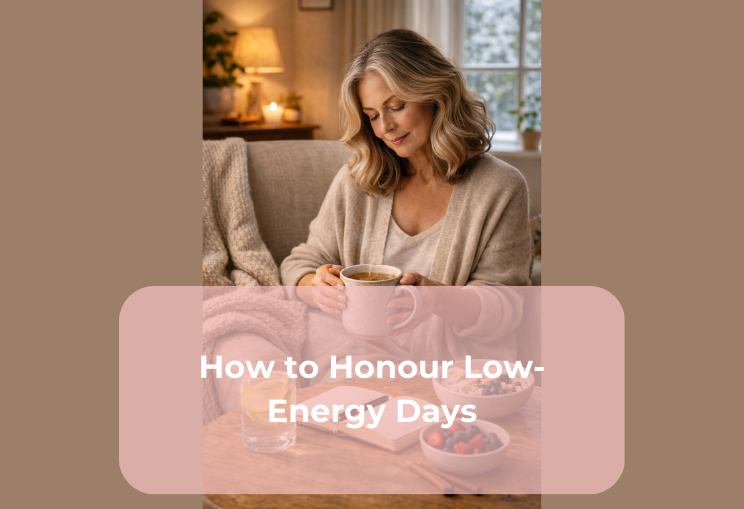
Learning to honour these lower-energy days can actually support long-term wellbeing.
After 50, listening to the body often becomes an important part of maintaining balance.
Energy Naturally Fluctuates
Energy levels change for many reasons:
• sleep quality
• emotional stress
• nutrition
• physical recovery
• seasonal changes
These fluctuations are normal.
Trying to force constant high productivity often creates unnecessary pressure.
Low Energy Is Sometimes a Signal
A low-energy day may be the body asking for something simple:
• rest
• slower movement
• hydration
• nourishing food
Rather than seeing these signals as obstacles, they can be viewed as useful feedback.
Gentle Ways to Support Low-Energy Days
Supporting the body does not mean doing nothing.
Instead, small supportive actions may help:
• taking a short walk
• preparing simple nourishing meals
• stretching or light movement
• spending time outdoors
Gentle activity can help maintain rhythm without overwhelming the body.
Avoid the Guilt Trap
Many people feel guilty when energy dips.
However, recovery is part of progress.
Allowing occasional slower days helps prevent burnout and supports long-term consistency.
Supporting Energy Through Nutrition
Balanced meals can help support steady energy levels.
Helpful habits may include:
• regular meals with protein and healthy fats
• staying hydrated
• including mineral-rich foods
• avoiding excessive sugar spikes
These simple foundations often help stabilise daily energy.
Why This Matters After 50
As the body changes with age, sustainable rhythms become more important.
Health habits that respect natural energy cycles tend to be more sustainable over time.
Consistency often comes from kindness toward the body, not pressure.
Allows Energy To Return Naturally
Low-energy days are not failures.
They are simply part of the body’s rhythm.
Honouring these moments with gentle care allows energy to return naturally.
Over time, this balanced approach supports long-term wellbeing.