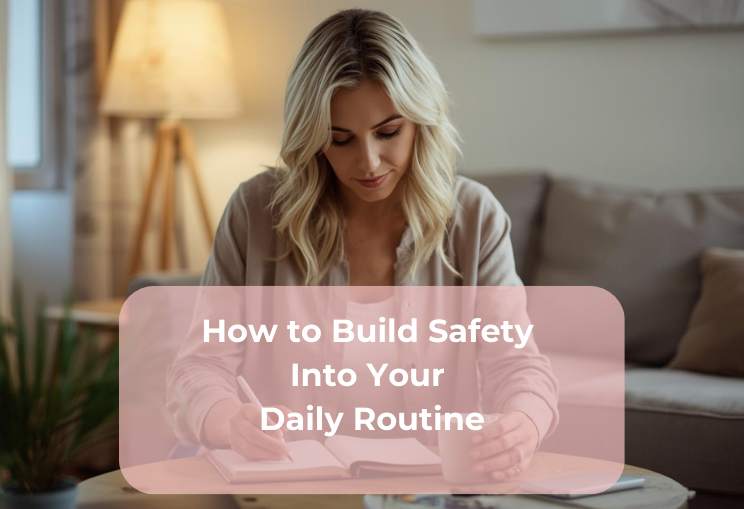
Feeling safe in your daily routine isn’t about avoiding life or controlling every outcome.
It’s about creating predictable, supportive signals that help the nervous system relax. When the body senses safety, energy becomes steadier, stress feels more manageable, and daily habits are easier to maintain.
Safety is something we can gently build — one small choice at a time.
What “Safety” Really Means for the Body
From a wellness perspective, safety means:
- consistency
- predictability
- gentle boundaries
- enough rest and nourishment
When these are present, the nervous system doesn’t stay on constant alert.
Why Daily Safety Matters More Than Big Changes
Big changes can feel exciting — but they can also be stressful.
Daily safety comes from:
- familiar routines
- regular timing
- simple habits you can rely on
These quiet signals tell the body: nothing urgent is required right now.
Simple Ways to Build Safety Into Your Day
Start the Day the Same Way
A consistent morning routine helps anchor the nervous system.
This might include:
- waking at a similar time
- gentle movement
- a warm drink
- a few calm minutes before screens
It doesn’t need to be long — it just needs to be familiar.
Eat Regularly
Skipping meals or eating at unpredictable times can stress the body.
Regular meals help support:
- blood sugar balance
- energy stability
- emotional regulation
Consistency matters more than perfection.
Create Predictable Pauses
Scheduled pauses — even short ones — reinforce safety.
Examples include:
- a midday reset
- a short walk at the same time each day
- an evening wind-down ritual
These pauses help the body transition smoothly between parts of the day.
Reduce Evening Stimulation
Evenings are when the nervous system prepares for rest.
Simple safety signals include:
- dimmer lighting
- fewer screens
- calm activities
- warm, soothing drinks
These cues help the body slow down naturally.
Keep Promises to Yourself
Following through on small commitments builds trust internally.
This might be:
- gentle movement
- hydration
- bedtime routines
Self-trust strengthens the feeling of safety over time.
Safety Is Built, Not Forced
Safety doesn’t come from doing more.
It comes from doing a few things consistently, gently, and without pressure. Over time, these habits become a foundation the body can rely on.
Quietly Build That Foundation
A safe daily routine doesn’t limit progress — it supports it.
When the nervous system feels secure, the body has more capacity for healing, focus, and steady growth. Small, repeatable habits quietly build that foundation.